
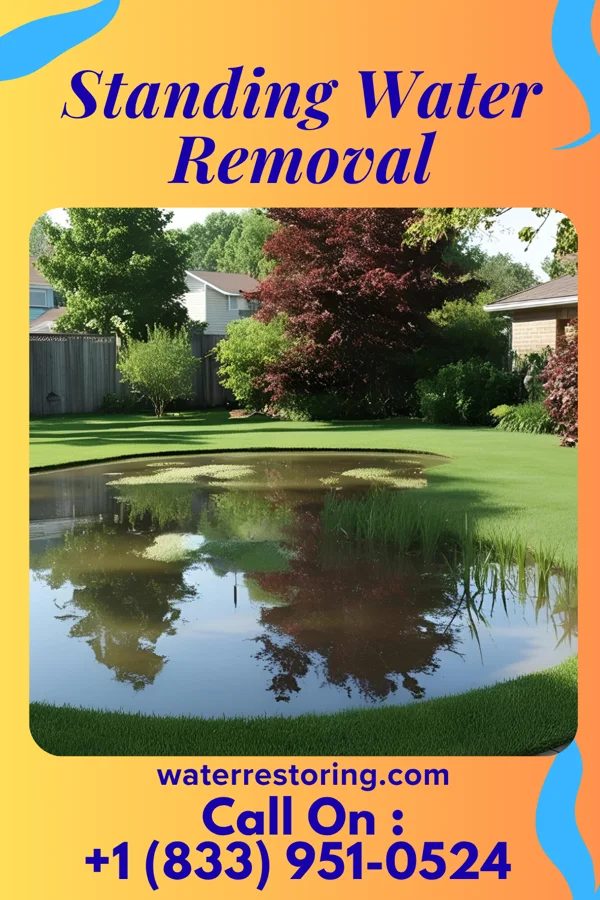
Standing Water Across Lynxville Neighborhoods
Every neighborhood in Lynxville has a different water damage risk profile. The one that shows up on most restoration calls is In Lynxville, Wisconsin, primary water damage often stems from burst pipes, particularly during the colder winter months when frozen pipes are more prone to rupture. Additionally, heavy rainfall and flooding from nearby rivers like the Mississippi can lead to significant water intrusion in homes and businesses.. A close second is Secondary causes include leaking roofs, plumbing issues in older homes, and water damage from appliances such as washing machines and water heaters. These issues are common in the rural setting of Lynxville due to aging infrastructure and seasonal weather patterns..
Lynxville experiences cold winters and warm summers, which can lead to frozen pipes and subsequent water damage. The area is also susceptible to flooding during spring thaw and heavy precipitation events, increasing the risk of water intrusion in residential and commercial properties.
Water damage in Lynxville follows a few local patterns. In Lynxville, Wisconsin, primary water damage often stems from burst pipes, particularly during the colder winter months when frozen pipes are more prone to rupture. Additionally, heavy rainfall and flooding from nearby rivers like the Mississippi can lead to significant water intrusion in homes and businesses. accounts for the bulk of our calls. Lynxville experiences cold winters and warm summers, which can lead to frozen pipes and subsequent water damage. The area is also susceptible to flooding during spring thaw and heavy precipitation events, increasing the risk of water intrusion in residential and commercial properties. Mold growth in Lynxville can occur rapidly due to the region's high humidity and frequent rainfall. Prompt water damage restoration is crucial to prevent mold from spreading and compromising indoor air quality.